
When bestseller darling Sarah J. Maas announced two new auditions for her popular A Court of Thorns and Roses, or ACOTAR, series, casual readers and Maas-devotees alike rejoiced.…
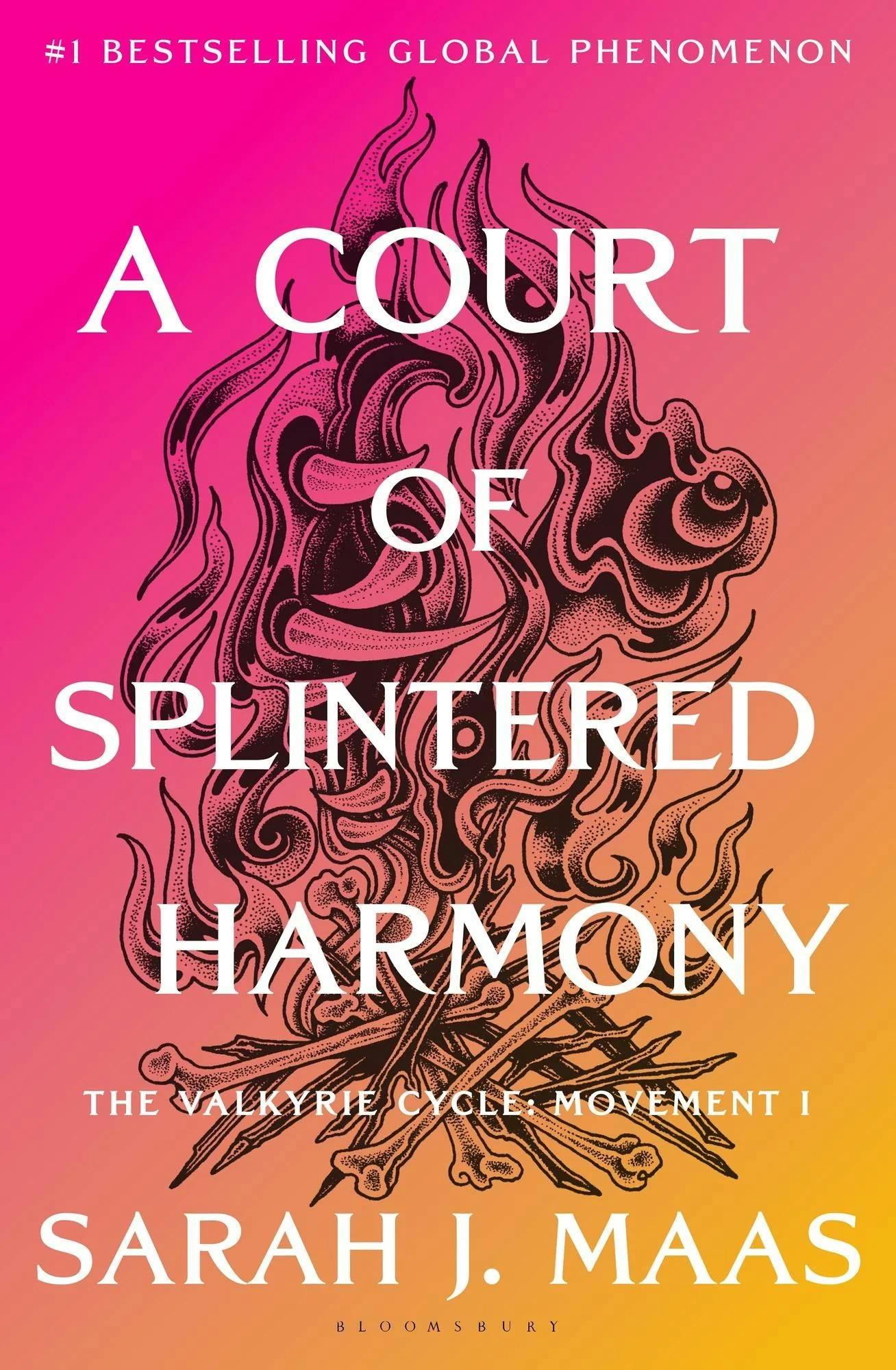
When bestseller darling Sarah J. Maas announced two new auditions for her popular A Court of Thorns and Roses, or ACOTAR, series, casual readers and Maas-devotees alike rejoiced. For months, fans theorized about A Court of Splinted Harmony, released Oct. 27, and its direct sequel, A Court of Forgotten Melody, upcoming in January 2027. Many even attended midnight release parties, dressing to the nines in fantasy-inspired attire.
On release day alone, the newest installment sold 1.7 million copies, not including audiobook and translated sales, bringing Maas to a total of 100 million sold across all three of her romantic fantasy series. This feat, combined with her devout fandom, elevates Maas into the canon of legendary authors such as Anne Rice. Yet, with a fandom this devoted and willing to read anything she writes, Maas seems to have forgotten the skills that made her so popular in the first place.
A Court of Splinted Harmony, sublabelled Movement I of the Valkyrie Cycle, is Maas' attempt to launch her beloved characters into their new arcs for upcoming installments. To the title's credit, the Night Court has become more divided than ever. Maas shows countless fights between main characters, with relationships permanently damaged and seemingly unsalvageable by the cliffhanger ending. She writes her characters at their worst; they scream at each other, hide information and brood.
However, most of the conflicts Maas presents in A Court of Splinted Harmony are blown out of proportion. A simple policy spat severely wounds a friendship. When a different court's leader shows hesitancy over entering a new war so soon, he is the one painted as unreasonable, not our protagonists. The book's great threat, Kosechi the death god, that Maas spends the entire novel building up, feels lackluster compared to her other villains.
This novel, while marketed as 352 pages, is really only 297 pages of new content. Tacked on at the end are various bonus chapters previously published in other editions of prior books. While Maas framed this decision as a way to bind all content she sees as canon together, the move feels cheap for fans who have already read the bonus chapters. Furthermore, the novel desperately could use more time.
This is a source-linked briefing. Read the original report from The Cornell Daily Sun .