
YANGON —Myanmar faces a pivotal week as neighboring nations weigh the future of post-coup relations, while the United Nations’ top court threatens a verdict of genocide over its…
YANGON —Myanmar faces a pivotal week as neighboring nations weigh the future of post-coup relations, while the United Nations’ top court threatens a verdict of genocide over its dark past. The International Court of Justice (ICJ) is scheduled on Thursday to rule whether Myanmar committed genocide against its marginalized Muslim Rohingya minority. The case looms over a three-day meeting of the Association of Southeast Asian Nations (ASEAN) due to debate its policy freezing Myanmar out of summits since a 2021 putsch.
Rohingya activists say the pending judgement should haunt the minds of ASEAN leaders when they meet in the Philippines starting Sunday. “We are waiting to see what the outcome will be on that day, the judgement for everything we have been experiencing for generations,” said a 25-year-old Yangon-based Rohingya activist who requested anonymity for security reasons. “If they welcome people who lack basic humanity and destroyed our lives, our futures and our possessions, we will be very let down,” he added.
Man in question The UN court case and ASEAN’s diplomatic dilemma are separate issues on paper. But both converge on one man: Min Aung Hlaing. The 11-nation ASEAN bloc has shunned Myanmar leaders from summits since his military coup turfed out the elected government of Aung San Suu Kyi and sparked civil war. The Hague case dates back to 2017, when Myanmar is accused of breaching the United Nations Genocide Convention by brutalising the Rohingya.
The judgement due Thursday will weigh state culpability, not individual guilt. But Min Aung Hlaing led the military as it spearheaded the mass killings, rape and arson targeting the Rohingya and driving nearly 750,000 into Bangladesh as refugees. This April, he was installed as president after elections rejected by democracy watchdogs, and is waging a charm offensive seeking acceptance in the diplomatic fold.
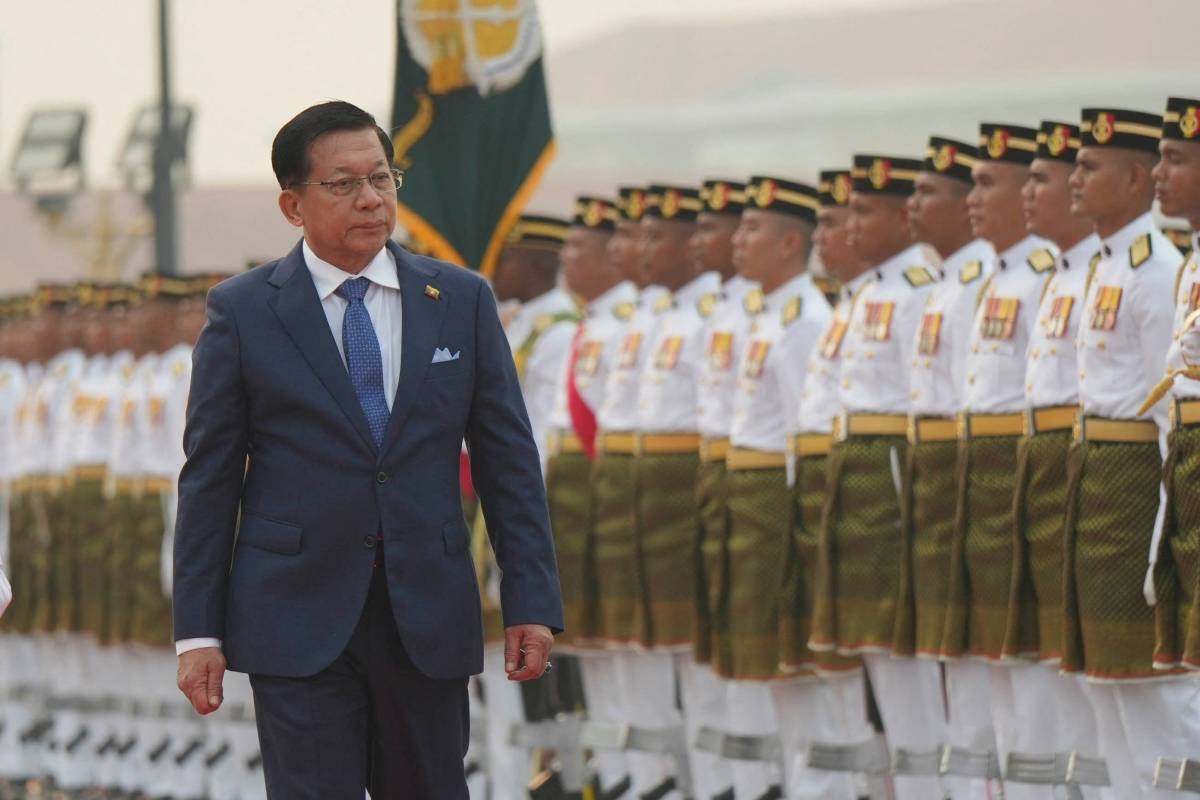
“If the ICJ finds that Myanmar committed genocide, it would seriously weaken Min Aung Hlaing’s efforts,” said Wai Yan Phyo Naing, visiting scholar at Taiwan’s Academia Sinica. “Any public association with him could create political and reputational risks, especially for governments that claim to support human rights and international law.” Signs of support But Myanmar has already secured signals of support to return to ASEAN. As civilian president, Min Aung Hlaing has had red-carpet welcomes in bloc members Thailand, Cambodia, Laos and Vietnam.
This is a source-linked briefing. Read the original report from The Manila Times .