
BRATISLAVA — Slovakia's Russia-friendly prime minister Robert Fico accused the German chancellor of "blackmail" as four EU countries resisted his demand to link approval of the bloc's next…
BRATISLAVA — Slovakia's Russia-friendly prime minister Robert Fico accused the German chancellor of "blackmail" as four EU countries resisted his demand to link approval of the bloc's next long-term budget to fresh financial support for Ukraine. Friedrich Merz has signaled he will block the EU’s seven-year budget unless there is a deal on financial aid for Ukraine, setting the stage for stormy talks later this month.
The German chancellor’s intervention has angered leaders in central Europe who are net beneficiaries of EU funds but do not want to take part in an upcoming funding round to support Ukraine’s war effort. The leaders of the Czech Republic, Hungary and Bulgaria have also pushed back against Merz's ultimatum.
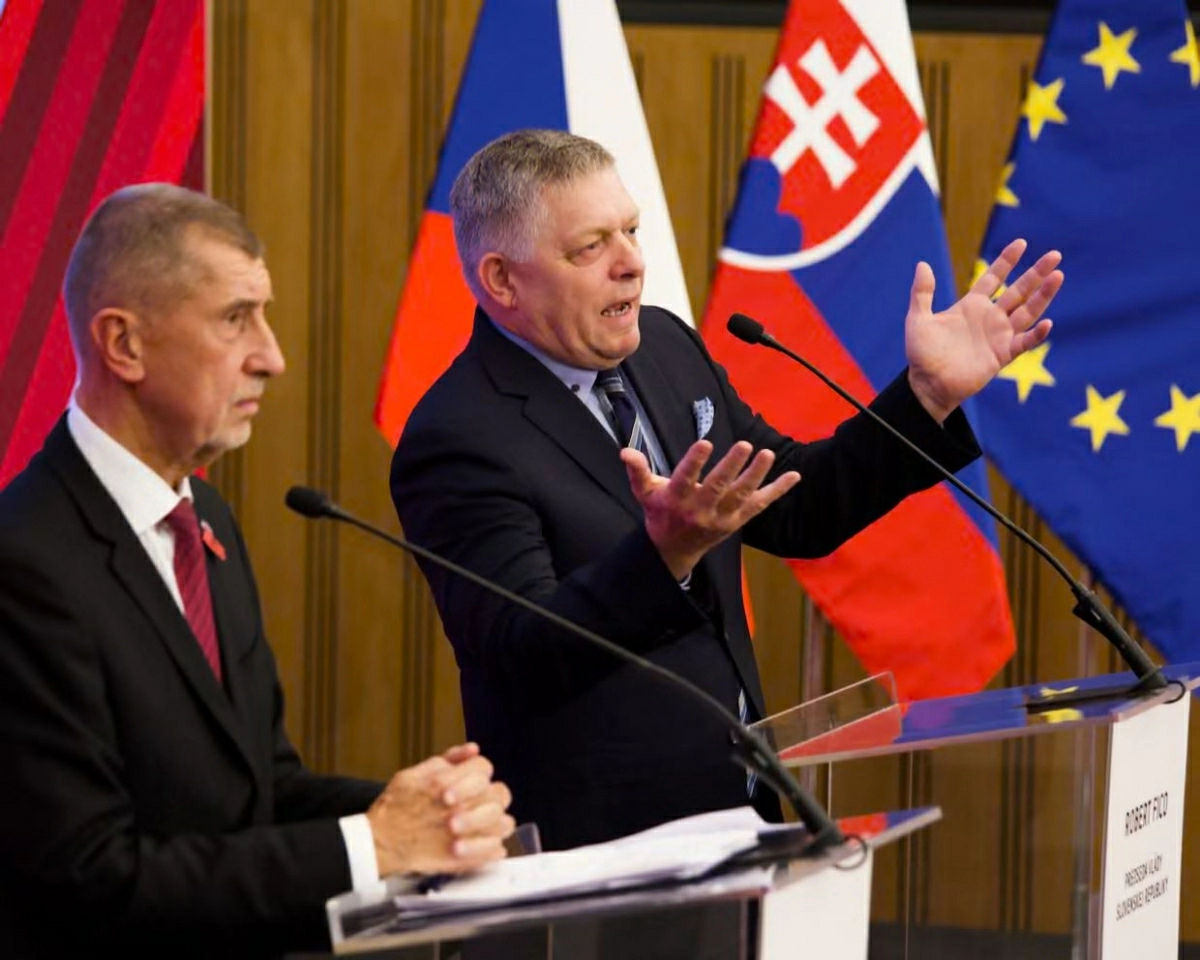
Fico denounced the German move as a "textbook case of blackmail" and threatened to wield his veto."We have an equal say in this matter," Fico said on Tuesday as he welcomed his Czech counterpart, Andrej Babiš, in Bratislava."Just as Mr Merz talks about using his veto, I can say exactly the same. We have the same veto power as the German federal chancellor."Babiš quipped that Merz "probably doesn't realise" that the proposed EU budget already earmarks €100 billion for Ukraine.
However, those funds will not become available until 2028, while Kyiv faces a €70 billion shortfall next year."Today will not be business as usual – not by a long shot. Today, we must respond to blackmail," Fico said, expressing his displeasure."What the federal chancellor is doing is a textbook case of blackmail, and I reject it. We are a sovereign country. We are the Slovak Republic.
We have our own views."Merz upped the ante in a letter to European Council President António Costa, declaring that fresh aid for Ukraine was an "essential prerequisite" for approving the next EU budget. The move effectively links two highly contentious issues, both of which require unanimity. Brussels has promised to cover two-thirds of Ukraine's €70 billion gap, roughly €45 billion, through a yet-to-be-defined instrument. Given the massive scale of the needs, a new round of joint debt has quickly emerged as the frontrunner option.
This is a source-linked briefing. Read the original report from Saudi Gazette .