
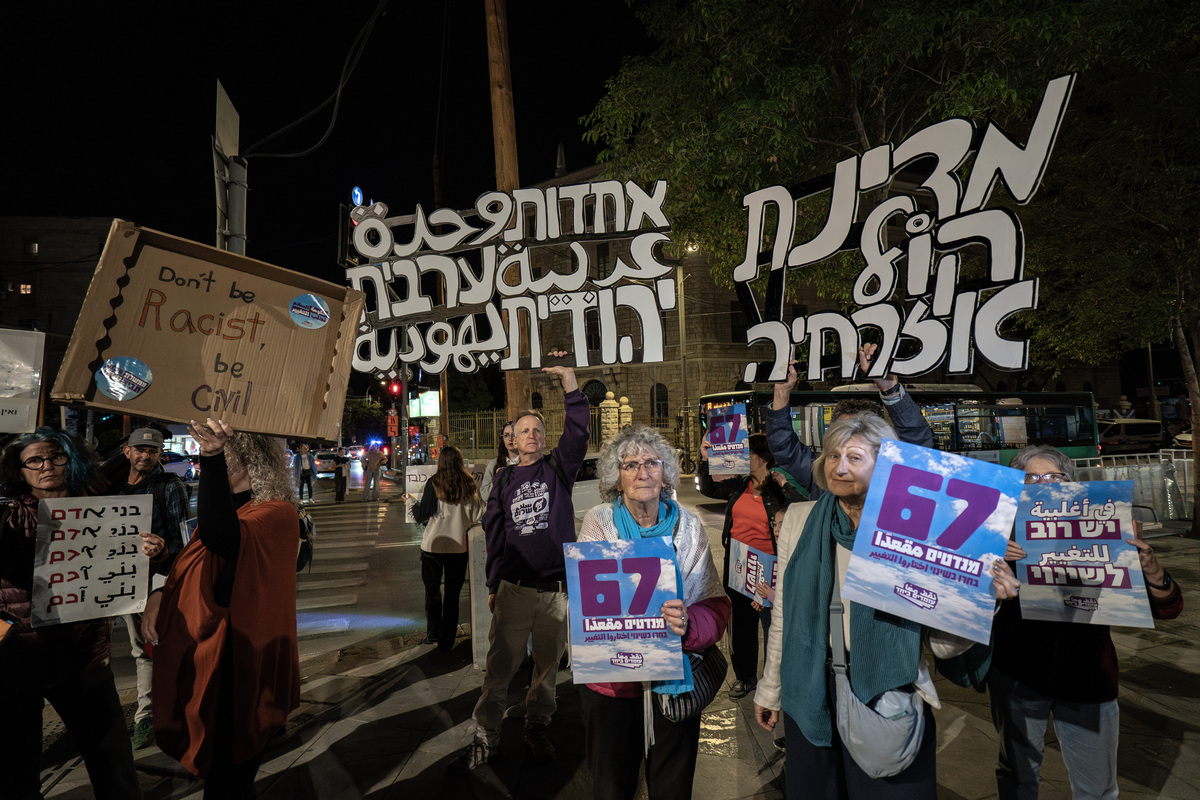
The unfolding political contest over the formation of Israel’s next government presents a question that goes well beyond Benjamin Netanyahu’s political survival. It raises a more fundamental issue:…
The unfolding political contest over the formation of Israel’s next government presents a question that goes well beyond Benjamin Netanyahu’s political survival. It raises a more fundamental issue: can Israel’s Arab citizens become legitimate partners in determining the country’s political future, or will they continue to be treated as outsiders in a state in which they are citizens but rarely accepted as equals? The Arab factor in government formation is no longer simply a matter of parliamentary arithmetic.
It has become a test of the democratic character of the Israeli state itself. The numbers make the Arab factor impossible to ignore. Arab political parties, represented through the Joint List and Ra’am, command 19 seats in the 120-member Knesset. Gadi Eisenkot’s […]
This is a source-linked briefing. Read the original report from Middle East Monitor .