
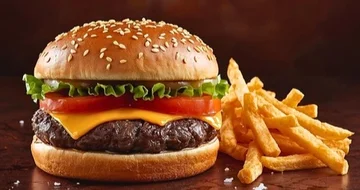
Every year on Nov. 16, National Fast Food Day gives consumers a reason to celebrate one of America's most recognizable dining traditions. Whether it's a favorite burger, a…
Every year on Nov. 16, National Fast Food Day gives consumers a reason to celebrate one of America's most recognizable dining traditions. Whether it's a favorite burger, a bucket of fried chicken, a slice of pizza, a frozen treat or a late-night drive-thru run, fast food has become more than a convenient meal. It's woven into the fabric of American culture.
But behind the familiar menus, iconic brands and memorable food moments is an industry built by entrepreneurs who recognized an opportunity to change the way people eat. From roadside hamburger stands and drive-ins to global restaurant chains and digital-first dining experiences, fast food has continually reinvented itself to keep pace with changing consumer expectations. And its evolution is a story worth celebrating.
The pioneers who built an industry Long before mobile ordering, delivery apps and loyalty programs, a handful of entrepreneurs were laying the groundwork for what would become the modern quick-service restaurant industry. In 1921, Walter Anderson and Billy Ingram opened the first White Castle in Wichita, Kansas, and their approach to producing consistent, affordable hamburgers helped establish the foundations of the modern fast-food restaurant.
White Castle emphasized standardized preparation, recognizable branding and an efficient operating model, introducing consumers to the idea that a quick hamburger could become an everyday dining option. The brand also popularized the term "slider" for its small, square hamburgers — a term that now appears on restaurant menus across the industry. A few years earlier, in 1919, Roy Allen had opened a root beer stand in California.
His partnership with Frank Wright helped establish A&W, a brand that would become synonymous with roadside dining and the emerging drive-in culture. Its signature root beer — and especially its classic root beer floats — became part of the experience, turning a simple beverage into an iconic American treat. And as automobiles changed how Americans traveled and socialized, restaurants found new opportunities to bring food and beverages directly to consumers, and in ways that were fun, interactive and engaging.
This is a source-linked briefing. Read the original report from Qsr Web .