
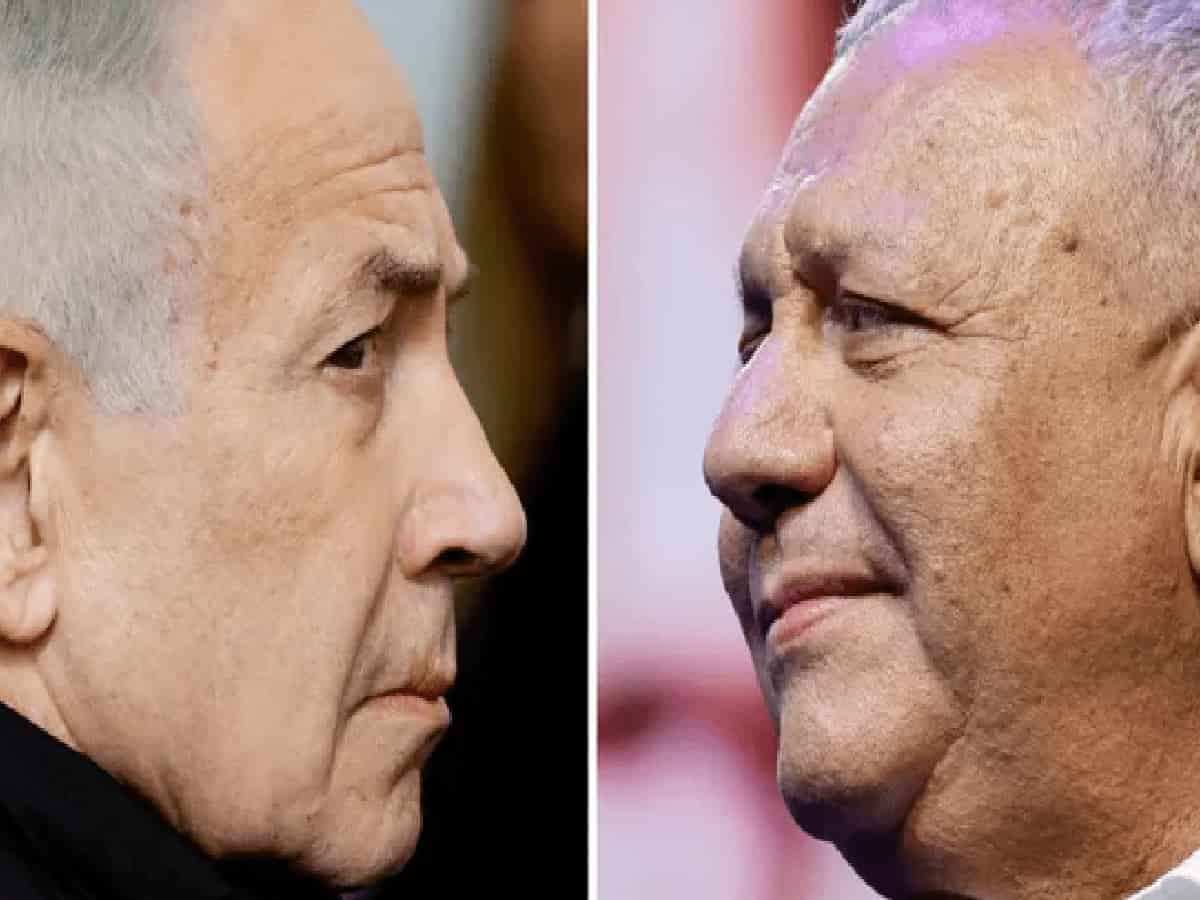
A month after Israel's October 27, 2026 general election produced a hung parliament, Israeli politics has entered a tense endgame as Prime Minister Benjamin Netanyahu reportedly weighs an…
A month after Israel's October 27, 2026 general election produced a hung parliament, Israeli politics has entered a tense endgame as Prime Minister Benjamin Netanyahu reportedly weighs an extraordinary power-sharing concession: offering Yashar Party Chairman Gadi Eisenkot the premiership first under a rotation agreement, while Netanyahu himself steps into the role of second prime minister. According to reports by Israeli outlets Channel 13 and The Times of Israel, the potential unity-government formula is emerging as caretaker Prime Minister Netanyahu faces narrowing paths to retain power.
State broadcaster Kan reported that the feeler was routed to Eisenkot through informal channels—a backchannel approach analysts say gives Netanyahu's Likud party plausible deniability if talks collapse, even as officials in the Prime Minister's Office acknowledge sharp divisions inside Netanyahu's own inner circle over the terms.
With Eisenkot's 28-day mandate from President Isaac Herzog set to expire on December 6, 2026 (unless extended by 14 days), the central question gripping Tel Aviv and Jerusalem is whether Eisenkot will take the bait—or whether years of broken political bargains and fundamental policy clashes over an October 7 state commission of inquiry and universal military conscription will sink the deal.
Across Uttar Pradesh—especially in state capital Lucknow and neighboring centers such as Unnao, Kanpur, Prayagraj, and Varanasi, where readers closely follow Middle East geopolitics and India's strategic ties with Israel—the outcome of this coalition chess match will shape regional diplomacy heading into 2027.
Knesset Seat Mathematics and the December 6 Coalition Deadline Following the October 27, 2026 election, neither Netanyahu's right-wing bloc (53 seats) nor Eisenkot's opposition camp (48 seats) secured the 61 seats required for a majority in the 120-member Knesset, leaving Arab-led parties (19 seats) holding decisive parliamentary arithmetic: Political Bloc / Factor Parliamentary Numbers & Coalition Dynamics Majority Threshold 61 seats required in the 120-member Knesset to swear in a new Israeli government. Eisenkot's Four-Party Bloc Commands 48 seats across Yashar (21 seats), Avigdor Lieberman's Yisrael Beytenu (7 seats), Yair Golan's The Democrats, and Naftali Bennett's B'Yachad.
This is a source-linked briefing. Read the original report from Suspense Crime .