
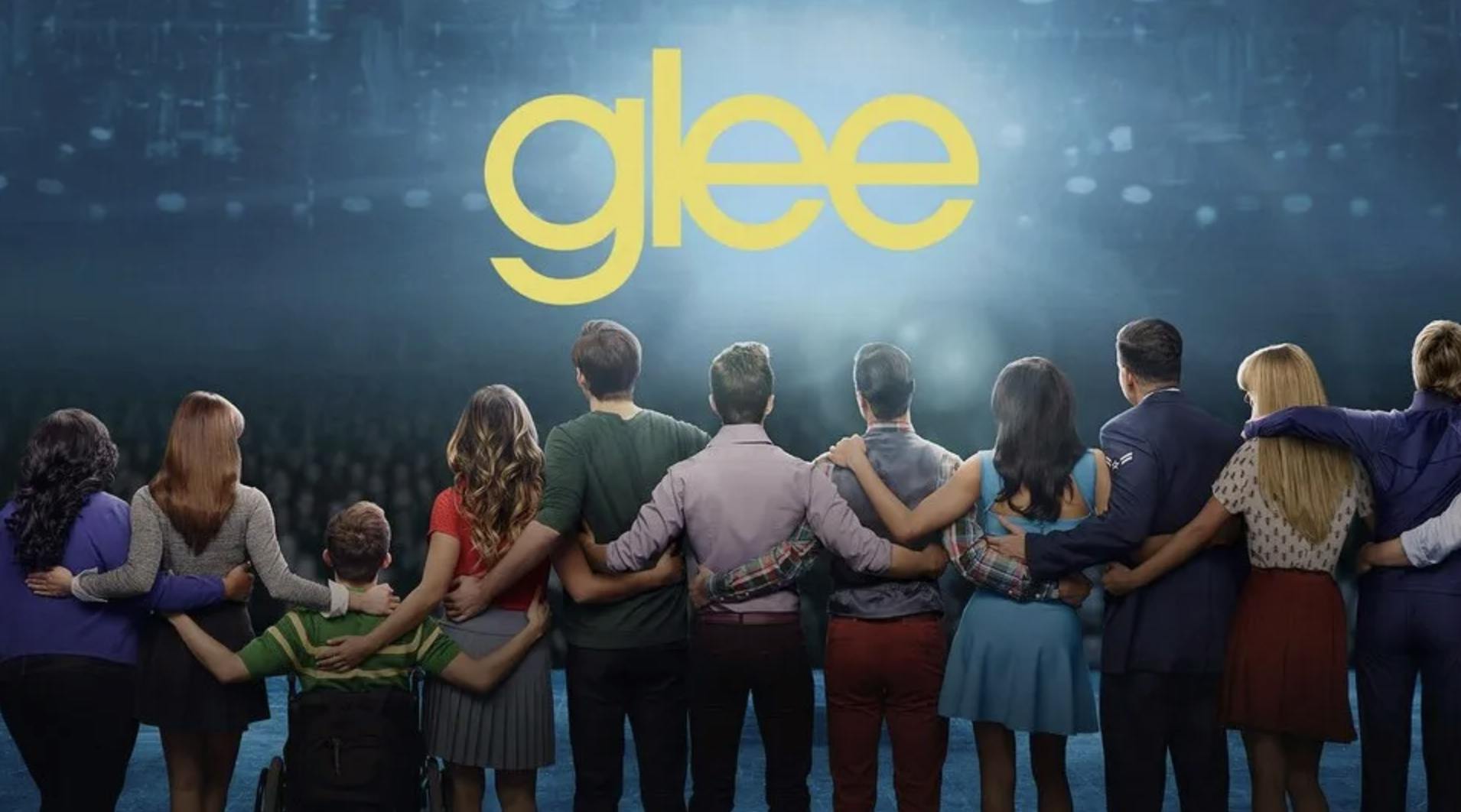
Forever altering pop culture through its creation of "grilled cheesus," the persona of Sue Sylvester and the iconic "Don't Stop Believing" performance, Glee has become a cult classic…
Forever altering pop culture through its creation of "grilled cheesus," the persona of Sue Sylvester and the iconic "Don't Stop Believing" performance, Glee has become a cult classic television show. The show follows a group of high school outcasts, cheerleaders and football players who join their school's glee club while tackling the complexities of growing up and fitting in.
Although the show ended its six-season run in 2025, younger viewers are still quoting the show's iconic and outlandish dialogue and making social media compilations of Glee's most memorable moments. Glee's fearless and edgy sense of humor strikes a chord among audiences today, even 17 years after its debut. As many viewers consider Glee an untouchable pillar of pop culture, audiences were especially shocked when Disney+ and Hulu announced the creation of a Glee reboot on October 21.
The creators of Glee, Ryan Murphy, Ian Brennan and Brad Falchuk, have released little information about the reboot. However, Murphy revealed they have completed a script and have contacted several members of the original cast. Lea Michele confirmed she will reprise her leading role as Rachel Berry, and Heather Morris and Chord Overstreet have hinted through social media that they will return to their respective roles of Brittany S. Pierce and Sam Evans. The storyline of the reboot remains a mystery.
Many gleeks have expressed excitement surrounding the reboot. Yet, due to the controversial nature of the show's humor, a Glee-boot will likely fail to achieve the same success as the original series. Much of Glee's longstanding success can be attributed to its striking humor. The series grapples with numerous complicated topics - such as race, gender, sexuality, disability and body image - deemed taboo by society at the time of its release.
However, it approaches these subjects from a satirical lens, unafraid to make politically incorrect jokes or poke fun at pervasive stereotypes. Handling stigmatized topics often in a slightly insensitive manner, Glee manages to be progressive and offensive at the same time. This means of humor aligned well with the culture and audience of the 2000s. In today's more progressive society, though, the open discussion of these taboo issues has become more commonplace.
This is a source-linked briefing. Read the original report from The Cornell Daily Sun .